
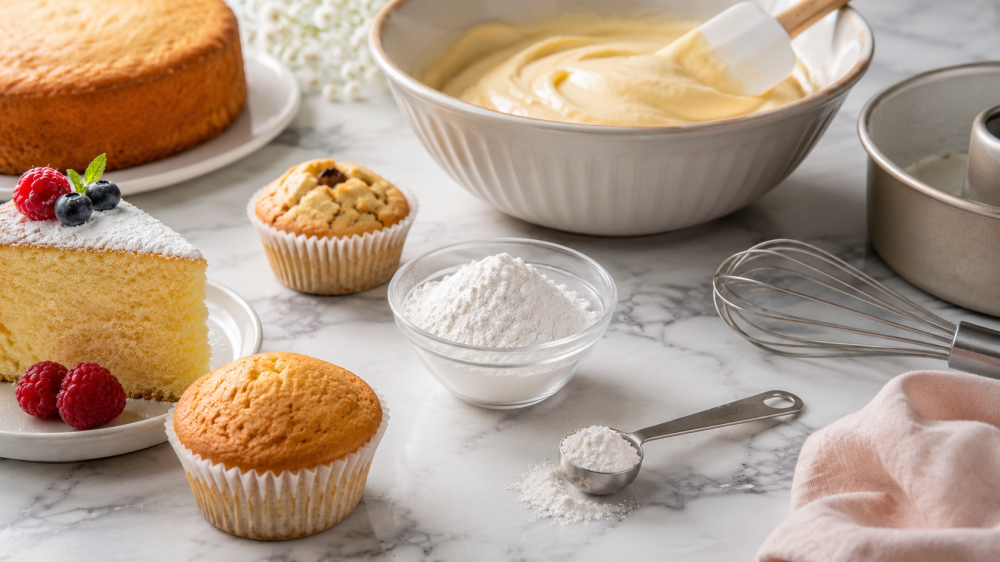
He promises Baking powder It is one of the most important ingredients used in cakes and baked goods, because it helps the dough or mixture rise and obtain a light and fluffy texture. Although it is a simple ingredient, using it incorrectly can lead to stale cake, a bitter taste, a dull texture, or baked goods that do not rise as they should.

In confectionery projects, bakeries and productive families, controlling small ingredients such as baking powder makes a big difference in the quality of the final product. The customer expects fluffy cakes, rising muffins, light pancakes, and successful baked goods every time.
In this article from Anler, we explain to you how to use baking powder in cakes and baked goods, the difference between it and some other ingredients, and the most common mistakes that you should avoid to get better results. You can prepare your raw materials through Bakery supplies and cake materials In Anler store.
What is baking powder?
Baking powder is a raising ingredient used in cake and baked goods recipes to help batter puff and rise during baking. It works when it reacts with moisture and heat, helping to form bubbles within the mixture that give the product a light texture.
Baking powder is used in:
- Cake.
- Cupcakes.
- Muffin.
- Pancakes.
- Biscuits.
- Some types of quick pastries.
- Waffle.
- Some recipes for baked desserts.
It differs from yeast, because yeast needs fermentation time, while baking powder works faster within the mixture and during baking.
Why is baking powder used in cakes and baked goods?
Using baking powder helps improve the texture of baked goods, especially recipes that do not rely on yeast. It gives the cake a proper rise and helps distribute the air within the mixture.
Among the most important benefits of baking powder:
- Helps the cake rise.
- Gives baked goods a lighter texture.
- Reduces muffled or heavy texture.
- Suitable for quick recipes.
- Helps cupcakes and muffins become a success.
- It is used in many dessert recipes.
- It gives better results when used in the right quantity.
However, you should be aware that increasing the quantity does not mean a better rise, but rather it may cause an undesirable taste or decline after baking.
The difference between baking powder and baking soda
Some people confuse baking powder with baking soda, but each one has a different function and method of use. Baking soda often needs an acidic ingredient in the recipe to react, such as milk, yogurt, lemon, vinegar, or honey. As for baking powder, it usually contains ingredients that help it react within the recipe.
Therefore, it is not preferable to replace baking powder with baking soda randomly, because the result may vary depending on the recipe.
How to use baking powder in cake
Using baking powder in cake requires precision, because the quantity and mixing method affect the height and final texture.
1. Follow the recipe quantity
The best way to use baking powder is to stick to the recipe quantity, because every recipe has a balance between flour, liquids, fats, sugar, and raising agents.
Excessive amounts may cause:
- Bitter taste.
- Big bubbles inside the cake.
- Cake falling after baking.
- Irregular texture.
- Excessive cracking in the surface.
2. Mix it with the dry ingredients
It is preferable to mix the baking powder with the flour and dry ingredients before adding them to the mixture, so that it is distributed evenly. Not distributing it well may make some parts of the cake rise more than others.
3. Do not leave the mixture too long before baking
After adding the baking powder and mixing the ingredients, it is best to put the mixture in the oven at an appropriate time. Leaving the mixture too long may reduce the lifting power, especially in some recipes.
4. Use a preheated oven
Proper temperature helps the baking powder work properly. If the oven is cold or not set, the cake may not rise properly or may collapse after baking.
5. Do not open the oven early
Opening the oven door at the beginning of baking may cause the cake to collapse, because cold air enters and affects the texture before it sets.
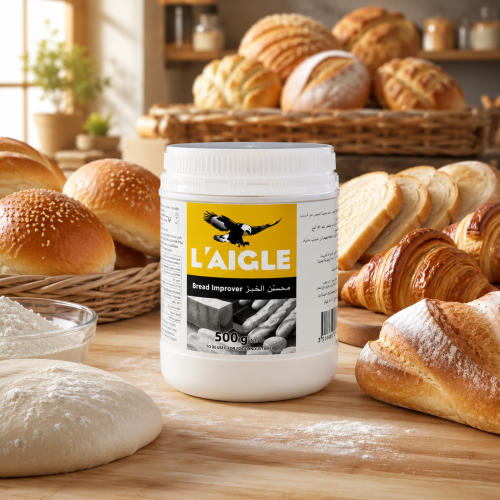
If you are into bread and pastry recipes besides cake, you can also check out Eagle bread improver As a supporting product to improve the quality of some baked goods, keeping in mind that baking powder and bread improver each have a different use depending on the recipe.
The appropriate amount of baking powder
The amount of baking powder varies depending on the recipe, the type of flour, and the ingredients, so it is always best to stick to the written amounts. But in general, you use a small amount compared to the amount of flour.
To get a better result:
- Use precise measuring spoons.
- Don't rely on random estimation.
- Do not double the quantity thinking that the cake will rise more.
- Make sure the baking powder is not expired.
- Test the recipe in small batches before commercial production.
In bakery projects and productive families, recording successful quantities helps ensure consistent quality every time.
Common mistakes when using baking powder
Despite its ease of use, there are frequent errors that cause cakes and baked goods to fail.
1. Use a large amount
One of the most common mistakes is adding more than required. This does not make the cake better, but may lead to a rapid rise and fall, with an unpleasant aftertaste.
2. Use expired baking powder
Baking powder loses its effectiveness over time, especially if it is stored incorrectly. Using a weak product may cause the cake to not rise as desired.
3. It is not well distributed in the flour
If it is not mixed well with the dry ingredients, areas of the cake may appear raised, lumpy, or have a different taste.
4. Replace it with yeast
Yeast does not provide the same function as baking powder in quick cakes. Yeast needs fermentation, while baking powder works in a different way within the recipe.
5. Open the oven early
Even if the amount of baking powder is correct, opening the oven too early may cause the cake to collapse before baking is complete.
6. Using inappropriate oven temperature
A temperature that is too low may cause the cake to not rise well, and a temperature that is too high may cause the top to rise quickly before the inside is done.
How do you know that baking powder is still effective?
The effectiveness of baking powder can be tested in a simple way before using it, especially if it has been open for a while. Put a small amount of it in warm water. If bubbles appear quickly, this means it is still effective. If a clear reaction does not occur, it may be weak or unsuitable for use.
This test is important for bakeries and home projects, because using weak baking powder may cause an entire batch of cake or muffins to fail.
Can baking powder be used in all baked goods?
No, not all baked goods need baking powder. Some recipes rely on yeast, some rely on beating eggs or air in the mixture, and some require baking soda with an acidic ingredient.
Baking powder is often used in:
- Cake.
- Cupcakes.
- Muffin.
- Pancakes.
- Waffle.
- Some types of biscuits.
- Quick bakery recipes.
As for traditional bread and pastries, they are often based on yeast or... Bread improver Depending on the type of product.
Baking powder substitute
Sometimes you may need a substitute for baking powder, but it is best to use the substitute only when you know the recipe's balance. Some alternatives rely on mixing baking soda with an acidic ingredient, but the result may vary.
Possible alternatives in some recipes include:
- Baking soda with lemon juice.
- Baking soda with vinegar.
- Baking soda with yogurt or milk.
- Self-raising flour if suitable for the recipe.
But in commercial projects, it is better to use ready-made and suitable baking powder to ensure a consistent result.
Baking powder for bakeries and productive families
Bakeries and productive families need consistent quality raw materials that help produce successful recipes repeatedly. Therefore, baking powder is considered one of the basic materials that must always be available in Bakery supplies And cakes and baked goods.
Baking powder is suitable for projects in:
- Daily cake production.
- Cupcakes.
- Muffin.
- Pancakes.
- Baked desserts.
- Some cafe products.
- Recipes for productive families.
The most important thing is to use an accurate amount and store the product correctly to maintain its effectiveness.
How to store baking powder
Proper storage maintains the effectiveness of baking powder for a longer period. It must be stored in a cool, dry place away from moisture and heat, because moisture may cause it to clump or weaken its reaction.
Storage Tips:
- Close the package well after use.
- Keep it away from steam and moisture.
- Do not use a wet spoon inside the package.
- Watch the expiry date.
- Write down the date you opened the package if you are using it in a project.
- Test its effectiveness if it has been open for a long time.
Supplies you need besides baking powder
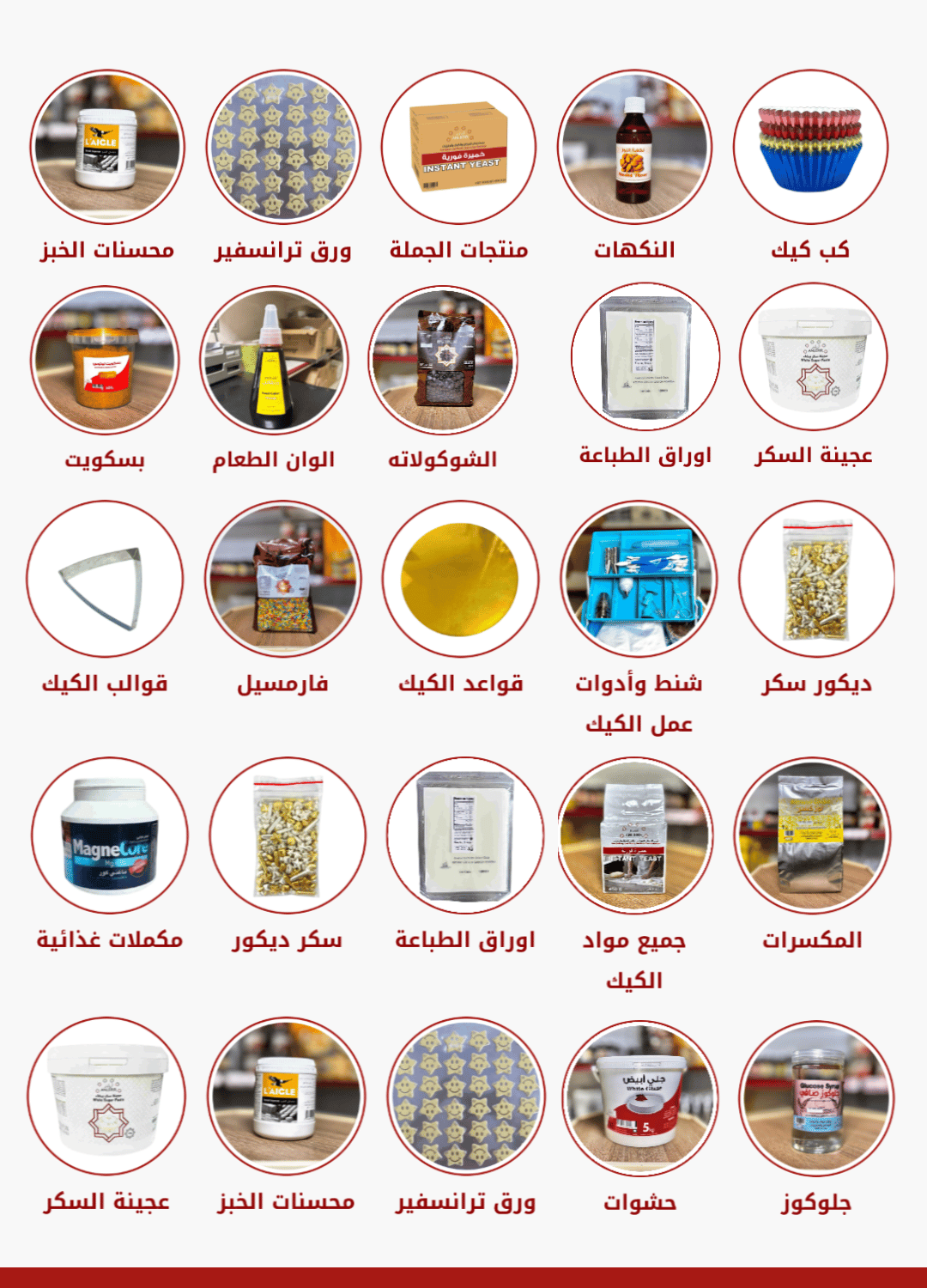
To prepare successful cakes and baked goods, you may need other supplies besides baking powder, such as:
- Suitable flour for sweets.
- Vanilla.
- Cocoa powder.
- Powdered sugar.
- Cake molds.
- Cupcake molds.
- Cupcake paper.
- Parchment paper.
- Measuring tools.
- Mixing bowls.
- Spatula.
- Packaging boxes.
- Cake rules.
Providing these supplies helps you prepare the products from mixing to packaging professionally. You can also review an article Parchment paper for the oven And an article Cupcake molds To choose the appropriate baking tools.
Why choose Baking Powder from Anler?
Anler provides bakery and confectionery raw materials and supplies that are suitable for bakeries, cafes, productive families, and home sweets projects in Saudi Arabia. If you are looking for baking powder, cake materials, molds, preparation tools, or packaging supplies, you can easily choose what suits your project from Anler Store.
Choosing a suitable baking powder will help you prepare cakes and baked goods with a better texture and a more stable result, especially when used in the correct way within an exact recipe.
Through Anler, you can prepare your cake and bakery needs from materials to packaging, in a way that helps you provide successful products that are ready for sale.
You may also like
- Parchment paper for the oven: uses, alternatives, and how to choose the appropriate type
- Essential bakery supplies to start a successful bakery business
- Bread improver: its benefits and how to use it for successful baked goods
- Cupcake molds: paper, silicone, and which one suits your project?

Summary of the article
Baking powder is one of the essential ingredients for successful cakes and quick baked goods, because it helps them rise and have a light texture. But its use requires precision in quantity, good distribution within the dry ingredients, and baking in a suitable oven.
Avoid overdoing it, using an expired product, or leaving the mixture too long before baking. With proper storage and adherence to the recipe, you can get consistent results and more successful baking.
Through Anler, you can choose baking powder and bakery and cake supplies that help you prepare professional products with better quality.
FAQ
What is the benefit of baking powder in cake?
Baking powder helps raise the cake and give it a light, fluffy texture, when used in the right amount and mixed well with the dry ingredients.
Does increasing baking powder make the cake rise more?
No, too much baking powder may cause a rapid rise and then fall, and may lead to a bitter taste or unbalanced texture.
What is the difference between baking powder and baking soda?
Baking powder is used directly in many recipes and reacts with moisture and heat, while baking soda often needs an acidic component in order to react properly.
How do I know that baking powder is safe to use?
A small amount can be tested in warm water. If bubbles appear quickly, it is effective, but if no clear reaction occurs, it may be weak or ineffective.
Can baking powder be replaced with yeast?
This is not preferable for cakes and quick baked goods, because yeast needs fermentation and works in a different way than baking powder.