
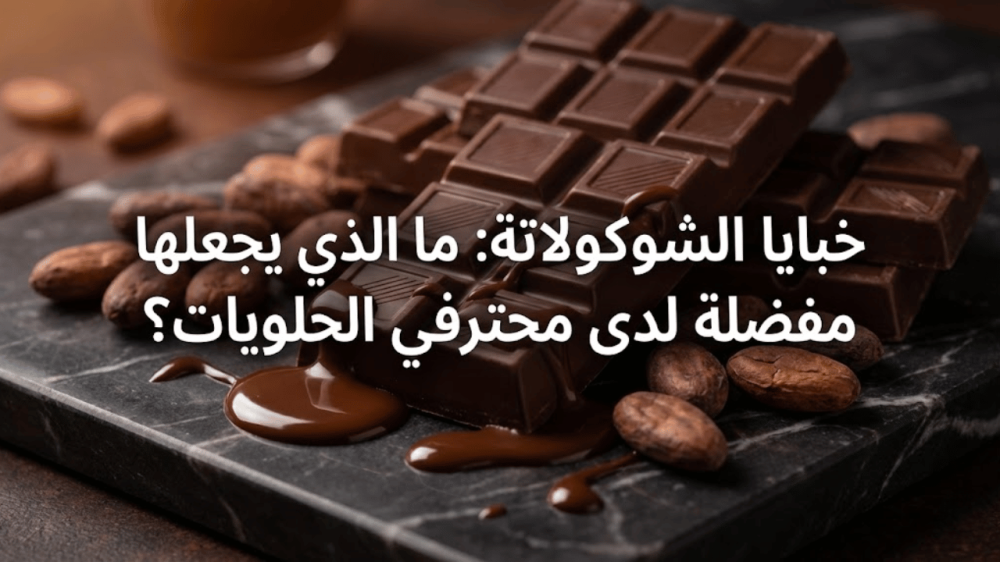
Chocolate Secrets: Why It’s a Favorite Among Pastry Professionals
Chocolate is more than just a sweet treat; it’s a complete art that combines exquisite flavor with creative presentation, making it a favorite ingredient among professional pastry chefs.
Chocolate enjoys global popularity, appealing to people of all ages and cultures, symbolizing both pleasure and luxury.
Understanding chocolate’s secrets is essential for pastry professionals, allowing them to create innovative recipes and achieve a perfect balance of flavor and quality.
Quick Points:
- Chocolate is an art of taste, not just a sweet.
- Its global popularity makes it a key element in luxury desserts.
- Knowing chocolate’s secrets helps chefs and professionals improve their skills.
1. History of Chocolate
Chocolate’s journey began thousands of years ago with the Maya and Aztec civilizations, where it was consumed as a bitter drink and used in sacred rituals.
When Europeans discovered cocoa in the 16th century, chocolate started taking the form of the sweet treats and drinks we know today.
Real example: In the 18th century, famous European chefs used chocolate to create recipes like sweetened hot chocolate and baked desserts, adding a luxurious touch to European tables.
Practical Tips:
- Visit chocolate museums to learn about its historical evolution.
- Read specialized history books to understand chocolate’s cultural impact worldwide.
2. Types of Chocolate
Chocolate comes in many varieties, each with its own flavor and characteristics suited for different recipes. Key types include: dark chocolate, milk chocolate, white chocolate, and raw chocolate.
Characteristics:
- Dark Chocolate: Rich, slightly bitter, ideal for creams and gourmet cakes.
- Milk Chocolate: Sweet and creamy, loved by kids, perfect for light desserts.
- White Chocolate: Very sweet and smooth, used for decorating and delicate desserts.
- Raw Chocolate: Natural with a strong, deep flavor, excellent for professional chefs.
Practical Tip: Choose chocolate type according to the recipe and desired sweetness to ensure optimal taste.
3. Raw Cocoa and Its Effect on Flavor and Quality
Raw cocoa is extracted directly from cocoa beans without high heat, preserving its natural flavor and health benefits. Processed cocoa is roasted and treated, reducing bitterness but making it more stable for traditional desserts.
Real Example:
Luxury chocolate shops use raw cocoa to craft premium dark chocolate and truffles, giving a deep, rich flavor unattainable with processed cocoa.
Practical Tip:
Use raw cocoa in dark chocolate recipes for authentic richness, avoiding excessive heat to preserve flavor.
4. Chocolate Ingredients and Their Effect on Taste
The main chocolate ingredients determine its flavor and texture, with each component playing a unique role in the tasting experience. Understanding them helps professionals choose the right type for each recipe.
Key Ingredients:
- Cocoa: Provides rich flavor and dark color. High cocoa content gives a balanced, slightly bitter taste.
- Sugar: Balances cocoa bitterness and adds gradual sweetness.
- Vegetable Oils (e.g., cocoa butter): Ensure smooth texture and shine when melted and molded.
- Milk: Adds creaminess, softening cocoa intensity, used in milk chocolate.
- Extracts & Flavors (e.g., vanilla, coffee): Enhance taste and add distinct character.
5. Roasting and Grinding Techniques
Roasting and grinding determine chocolate’s flavor and final texture, transforming raw cocoa beans into a rich, smooth mass. Mastery of these processes is the secret to chocolate preferred by pastry professionals.
Importance:
- Roasting: Enhances cocoa flavor and reduces bitterness. Light roast yields fruity notes, medium roast balances bitterness and sweetness, dark roast adds deep, rich flavor.
- Grinding: Turns cocoa beans into a smooth paste, affecting texture, meltability, and molding.
- Statistic: 65% of professional chocolate shops use medium roast to balance flavor and texture.
6. Using Chocolate in Pastry
Chocolate is not just an ingredient; it’s a creative tool in professional desserts. Experts know how to handle it to turn any recipe into an artistic masterpiece.
Usage Techniques:
- Melting: Use a bain-marie or microwave to control temperature and preserve smooth texture.
- Molding: Pour into molds or create strips and decorations using professional tools.
- Decorating: Spray, carve, or melt chocolate to decorate cakes and luxury desserts, optionally combining flavors for a unique touch.
Another Suggested Topic: Chocolate Cake Mix… Steps to Success in Making the Perfect Cake
7. Choosing the Right Chocolate Shop
Selecting a reliable chocolate shop is essential for high-quality products that ensure perfect taste and texture. Professionals look for specific standards when choosing a store.
Shop Criteria:
- Ingredient Quality: Raw chocolate and natural materials without artificial additives.
- Variety: Dark, milk, and white chocolates, plus innovative flavors.
- Reputation: Customer reviews and staff expertise in pastry making.
- Storage Methods: Chocolate must be stored in ideal conditions to prevent melting or flavor loss.
8. Chocolate and Innovation
Professionals use chocolate as a tool for innovation, combining flavors and shapes to create unique experiences. Innovation is not only about taste but also presentation.
Examples:
- Shaping chocolate into geometric or 3D forms for holidays and events.
- Combining unconventional flavors like chili, lemon, or aromatic herbs.
- Using decoration techniques like colored spray or chocolate engraving on cakes and desserts.
9. Chocolate and Health
Chocolate, especially dark chocolate, offers health benefits when consumed in moderation, though excess can have negative effects.
Benefits:
- Rich in antioxidants that protect the heart.
- Improves mood and reduces stress.
- Enhances focus and energy.
Risks:
- Excessive consumption may cause weight gain due to high calories.
- Milk chocolate or added sugar may increase blood sugar and fat levels.
- Possible allergies to ingredients like milk or nuts.
10. Chocolate in Culture and Art
Chocolate is more than taste; it is a cultural and artistic symbol present in celebrations and arts worldwide. It is highly valued in both traditional and modern occasions.
Global Examples:
- Valentine’s Day: Chocolate gifts and chocolate hearts symbolize romance worldwide.
- Art Festivals: Brussels Chocolate Festival displays artistic chocolate sculptures.
- Religious and Cultural Events: Used in cakes and desserts for holidays and local celebrations.
- Contemporary Arts: Chocolate used in painting and sculpting for temporary artistic displays.
Conclusion
Understanding chocolate’s secrets is key for both professionals and enthusiasts. Choosing the right type, understanding ingredients, and innovating usage can elevate dessert quality and provide an exceptional tasting experience.
- Try chocolate yourself and learn its diverse flavors and techniques to make your creations unique.
- ✨ Discover our exclusive collection at [Anlerr Store] and try raw and premium chocolate today!
FAQ
1. Best chocolate for beginners?
Milk chocolate is ideal; it’s less bitter and offers a balanced sweet experience before moving to dark or raw chocolate.
2. How to differentiate raw and regular chocolate?
Raw chocolate has higher cocoa content without full heat processing, offering concentrated flavor and greater health benefits than regular chocolate.
3. Is chocolate healthy?
Yes, especially dark chocolate; rich in antioxidants and mood-enhancing. Excess increases calories and fat intake.
4. Best chocolate store for quality ingredients?
Choose a trusted shop offering natural raw chocolate with a good reputation and pastry-making expertise.
5. How to store chocolate long-term?
Keep it in a cool, dry place away from sunlight.
For detailed health information about chocolate and its impact on the body, visit E-Arabi, which explains the benefits of dark chocolate and its antioxidants for heart, skin, and overall health.
If you’re looking for reliable and comprehensive information about the health benefits of chocolate and how it affects the body, you can refer to E‑Arabi, which offers a simple scientific explanation of the benefits of dark chocolate and the effects of its antioxidants on the heart, skin, and overall health.
Check out Benefits‑of‑Dark‑Chocolate to deepen your understanding of chocolate’s secrets.