
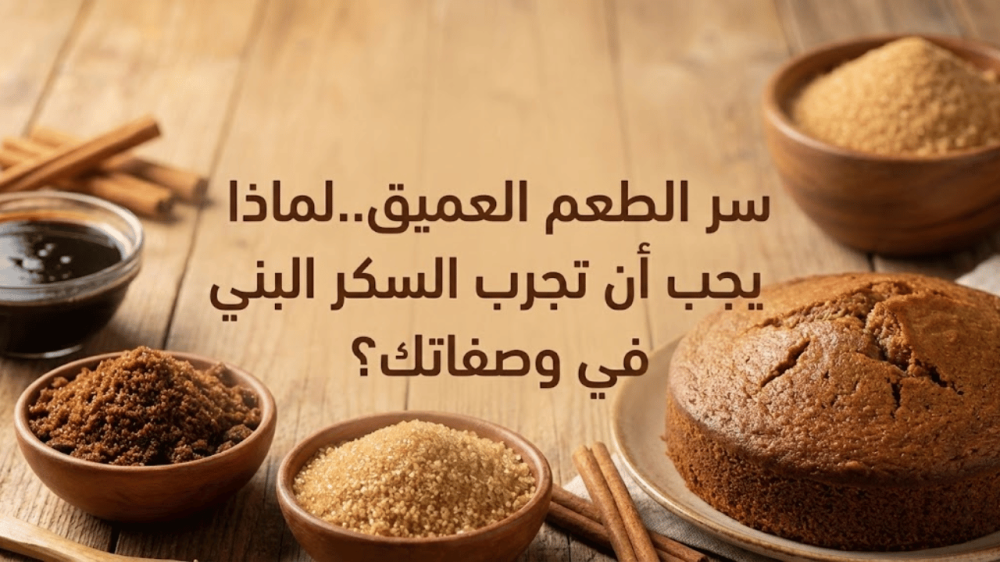
Have you ever wondered why some desserts give you a deeper flavor from the very first bite, while others just taste sweet without soul?
The difference often isn’t in the recipe itself, but in the type of sugar used—specifically, white sugar versus brown sugar.
White sugar delivers immediate, clear sweetness that fades quickly, whereas brown sugar provides layers of richer flavor that linger in the mouth, leaving a warm impression that makes the recipe more balanced and full-bodied.
This “deep flavor” isn’t just a poetic description—it’s a natural result of brown sugar’s composition and its effect on texture, aroma, and final taste.
Why does brown sugar stand out in recipes?
- Adds flavor beyond ordinary sweetness
- Enhances overall taste without overpowering
- Gives recipes a warm, homemade feel
In the following sections, we’ll explore why brown sugar has become an essential ingredient in many kitchens and how it can elevate your recipes.
Section 1: What gives brown sugar its deep flavor?
The fundamental difference between white and brown sugar starts with their composition. White sugar has almost all its natural components removed, while brown sugar retains some of its natural elements that give it a distinct character.
The most important element is molasses, which is responsible for the rich flavor, dark color, and warm aroma that distinguish brown sugar from other types of sugar.
This composition not only affects sweetness but also alters the overall flavor sensation, making brown sugar taste more balanced, less sharp, and more harmonious with the rest of the recipe ingredients.
Section 2: The journey of brown sugar from cane to kitchen
Brown sugar starts its journey from sugarcane, where the juice is processed to extract crystals while retaining a portion of the molasses. This proportion determines the color, from light brown to dark, flavorful sugar.
Some brown sugars are produced naturally without fully removing the molasses, while others are made by adding molasses back to white sugar, creating noticeable differences in taste and aroma.
Why flavor differs:
- Light processing preserves natural taste
- Dark color often indicates a deeper flavor
- Increased moisture gives a softer texture in recipes
- Over processing reduces flavor complexity
Section 3: Brown sugar in desserts… noticeable from the first bite
Using brown sugar in desserts quickly shows a difference in texture even before taste. Cakes become softer, and cookies have a more cohesive interior without drying out on the outside.
Many chefs prefer brown sugar in baked recipes because it reacts better to heat and adds moisture, resulting in a balanced bake and soft texture that lasts longer.
How dark sugar affects desserts:
- Gives a deeper, more appealing browning
- Enhances caramel flavor
- Adds noticeable richness to taste
- Keeps desserts from drying out
Section 4: Muscovado sugar… flavor for those seeking true depth
Muscovado sugar is one of the most flavorful types of sugar, containing a high percentage of natural molasses, giving it a strong, distinctive taste.
Its deep flavor isn’t suited for all recipes but works perfectly in heavier desserts and rich sauces.
Difference between muscovado and dark brown sugar:
- Less processed
- Stronger, more pronounced flavor
- Higher moisture content
- Deeper impact on taste
Section 5: When is dark sugar the best choice?
Dark sugar shines in recipes that rely on intense flavor, such as rich cakes, brownies, and some heavy sauces.
Here, sugar is not just a sweetener—it’s a core element that builds flavor and enhances other ingredients.
Its higher molasses content gives a caramel-like taste, adding depth that white sugar cannot achieve.
When to use dark sugar:
- When a strong flavor is desired
- In recipes with dense texture
- As a substitute for white sugar for a richer taste
- In desserts that can handle a pronounced flavor
Section 6: Brown sugar in savory recipes… an unexpected twist
Brown sugar isn’t limited to desserts; it can be used in savory recipes to create a smart balance of flavors.
Added to meat or chicken marinades, brown sugar enhances natural flavors without making the dish sweet.
In both Eastern and Western sauces, brown sugar adds subtle depth and softens saltiness or acidity when used in moderation.
Why brown sugar works in savory dishes:
- Balances sweet and savory flavors
- Enhances browning
- Improves exterior texture
- Adds a subtle, hidden flavor
Section 7: Common mistakes when using brown sugar
One of the most frequent mistakes is replacing white sugar with brown sugar without adjusting the recipe, which can affect texture or final results.
Ignoring the moisture differences between types of brown sugar may change dough consistency or baking time.
Overusing dark sugar can overpower other flavors, especially in light or simple recipes.
Mistakes to avoid:
- Improper storage
- Using the wrong type for the recipe
- Ignoring moisture content
- Focusing on sweetness alone without considering texture
Suggested topic: Sugar sheets and cake decorations: small tools that make a big difference in desserts
Section 8: Brown sugar substitutes… when and why to use them
Brown sugar may not always be available, prompting the search for substitutes.
Some alternatives provide sweetness but cannot replicate the deep flavor of real brown sugar.
The difference is noticeable in texture and final taste, especially in moisture-dependent desserts.
When substitutes are acceptable:
- In quick recipes
- When brown sugar is unavailable
- For simple uses
- Not for flavor-centric recipes
Section 9: How to choose the right brown sugar for each recipe
Choosing between light and dark brown sugar depends on the recipe, as each type produces different flavor and texture results.
Reading the nutrition label helps identify the molasses content, an important indicator of flavor strength and moisture.
Muscovado sugar is preferred when flavor is the main focus, not just a secondary addition.
Section 10: Brown sugar between flavor and personal experience
Using brown sugar doesn’t just change flavor; it transforms the cooking experience, making it more enjoyable.
Many chefs and home cooks develop personal preferences and begin choosing sugar types as they would spices.
After trying it in multiple recipes, brown sugar becomes an essential ingredient that’s hard to replace.
Why deep flavor is associated with successful recipes:
- It creates natural balance
- Enhances flavor without exaggeration
- Gives a homemade feel
- Leaves a lasting impression in every bite
In conclusion, brown sugar is not just an ordinary sweetener—it’s a powerful ingredient that changes flavor, texture, and depth, whether in desserts or savory dishes. Choosing the right type of sugar can make the difference between a good recipe and an exceptional one. Experimenting with different types, like dark brown or muscovado, opens new possibilities in the kitchen, giving you greater control over flavor and texture.
Deep flavor isn’t just about ingredients—it’s about the joy of cooking itself. Choosing sugar carefully turns homemade recipes into experiences worth repeating.
Start your journey now: explore a selection of the finest brown sugars and high-quality substitutes through the ANLERR online store, and pick the ingredient that truly makes a difference from the very first bite. Order today and give your kitchen a deeper flavor and a professional touch in every bite.
FAQs
Can brown sugar be substituted with white sugar?
Yes, in some recipes, but the result will differ. Using brown sugar instead of white provides deeper flavor and more moisture, while white sugar gives immediate sweetness without added flavor.
Why does brown sugar clump?
Brown sugar clumps due to its higher moisture content from molasses, which is normal and doesn’t indicate spoilage.
Does the type of brown sugar affect the color of the recipe?
Yes, the darker the sugar (like dark brown or muscovado), the deeper the browning and warmer overall appearance of the dish.
What’s the best substitute for brown sugar if unavailable?
Substitutes can work in emergencies, but real brown sugar is preferred when flavor is a key element for the best results.
For those who want to dive deeper into the science and history of brown sugar, you can refer to Wikipedia, a reliable source explaining the differences between sugar types and their culinary effects: Brown sugar